
Agri-food Processing Platform
This enhanced case study integrates information from your internal records with external data regarding Enabel’s (Belgian Development Agency) rural development initiatives in The Gambia to provide a more complete and verifiable technical profile.
Strategic Infrastructure for Regional Food Security and Value Chain Strengthening
Client name
Enabel - Belgian Development Agency
Project Value
USD $1.5 Million
Location
Jenoi, Lower River Region (LRR), The Gambia
Sector
Rural Infrastructure / Post-Harvest Management
Project Context
The Jenoi platform is a cornerstone of Enabel’s broader Gambia-Belgium cooperation aimed at transforming the agricultural sector from subsistence to commercial scale.
- The Problem: The Lower River Region historically suffered from 20-40% post-harvest losses due to a lack of cold chain and primary processing facilities.
- Strategic Function: The facility acts as a « Secondary Collection and Processing Center. » It bridges the gap between small-scale village production and major wholesale markets in the Greater Banjul Area and international export channels.
- Specific Focus: The platform is designed specifically to handle vegetables (onions, tomatoes) and cereals, which are the dominant value chains in the LRR.
Detailed Technical Scope
Cornerstone’s delivery included the specialized engineering required for agricultural hygiene and logistics:
Agro-Processing Halls:
- Detail: Large-span steel frame structures with high-clearance ceilings to allow for heat dissipation and ventilation.
- Equipment Integration: Inclusion of sorting and grading lines that allow for the standardization of produce before it enters the commercial market.
Storage & Cold Chain Infrastructure:
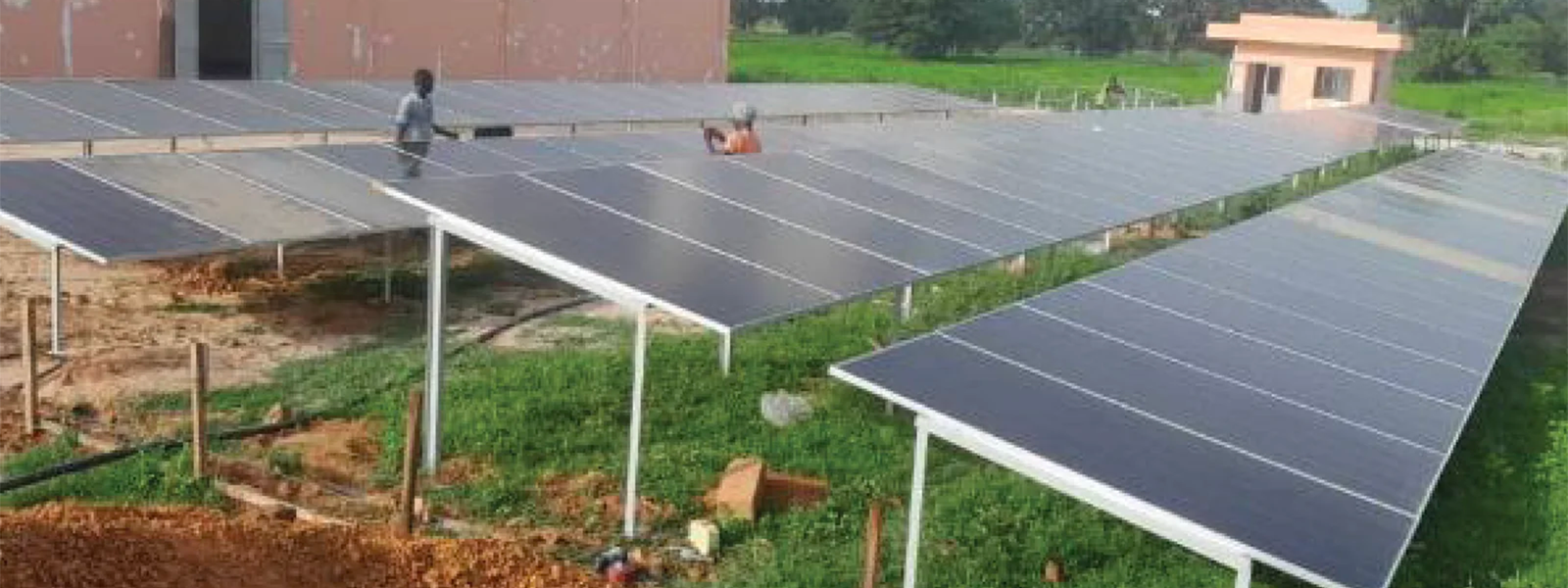
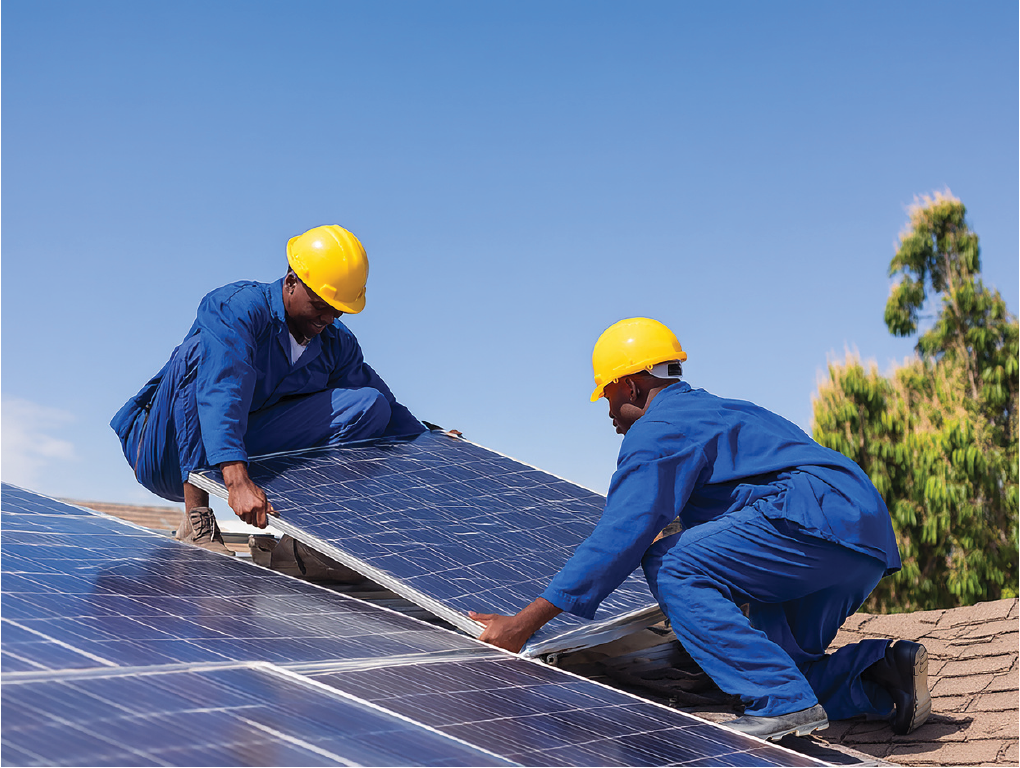
- Climate Control: Integrated ventilated storage for ambient temperature crops and specialized refrigerated « Cool Rooms » (typically powered by hybrid solar-grid systems) to extend the shelf life of perishable vegetables.
Logistics & Heavy-Duty Civil Works:
- Pavement Engineering: Reinforced concrete aprons and loading bays designed to support heavy 10-20 ton transport trucks without cracking in the high-heat Gambian environment.
- Waste Management: Dedicated drainage and water treatment systems to handle the effluent from vegetable washing and processing.
Delivery Approach & Engineering Standards
Cornerstone applied international Value Engineering and safety standards learned from its leadership’s experience on multi-billion dollar US « mega-projects ».
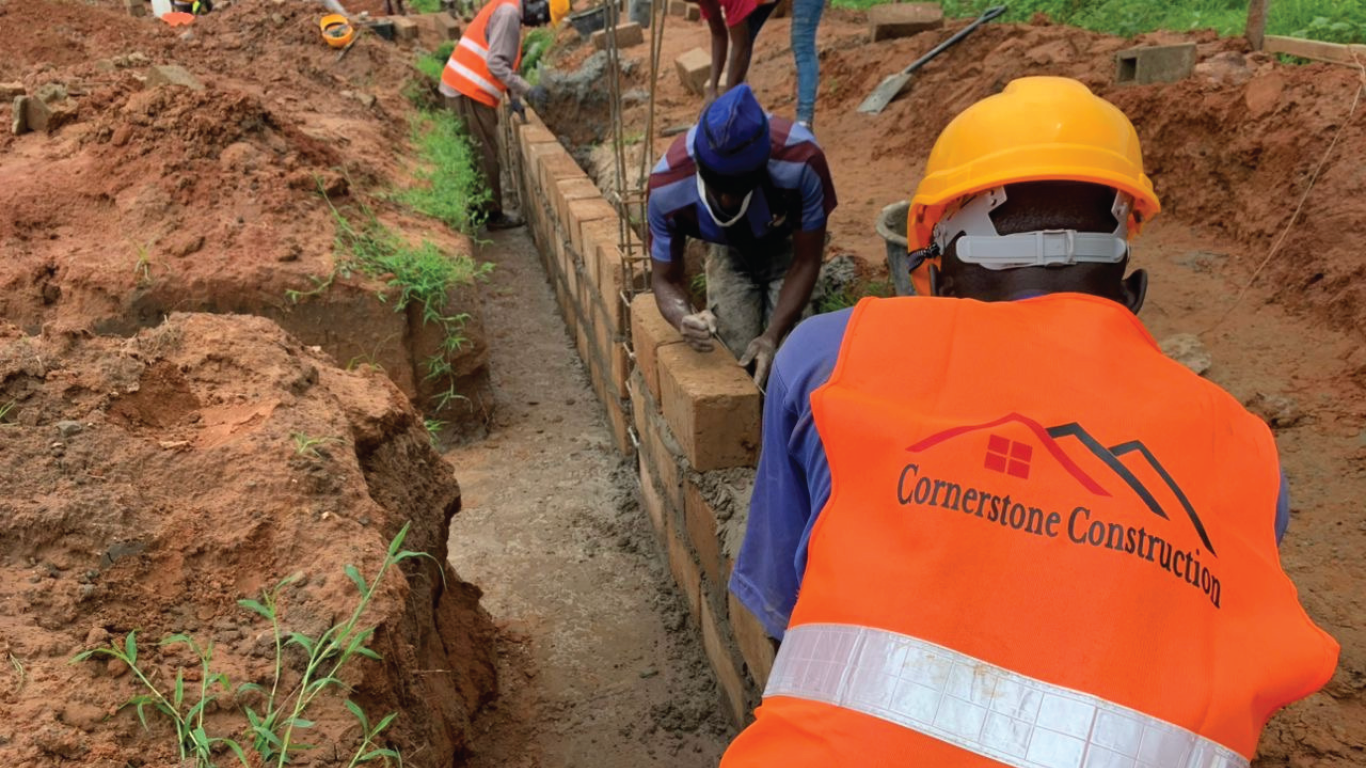
- Turnkey Execution: Cornerstone managed the project from site clearing to final commissioning.
- Sustainability Focus: Under the leadership of a LEED AP BD+C accredited founder, the project prioritized energy efficiency, particularly in the lighting and ventilation systems to minimize operational costs for the local cooperatives.
Quantified Social & Economic Impact (ESG)
- Farmer Integration: The platform serves approximately 1,000+ smallholder farmers within a 50km radius, primarily women-led cooperatives who dominate the vegetable sub-sector in Jenoi.• Waste Reduction: By providing immediate post-harvest sorting and storage, the facility is estimated to reduce local crop spoilage by up to 30%.
- Job Creation: Beyond construction labor, the platform provides permanent technical roles for food safety inspectors, facility managers, and logistics coordinators.

Key Stakeholders & Verifiable Sources
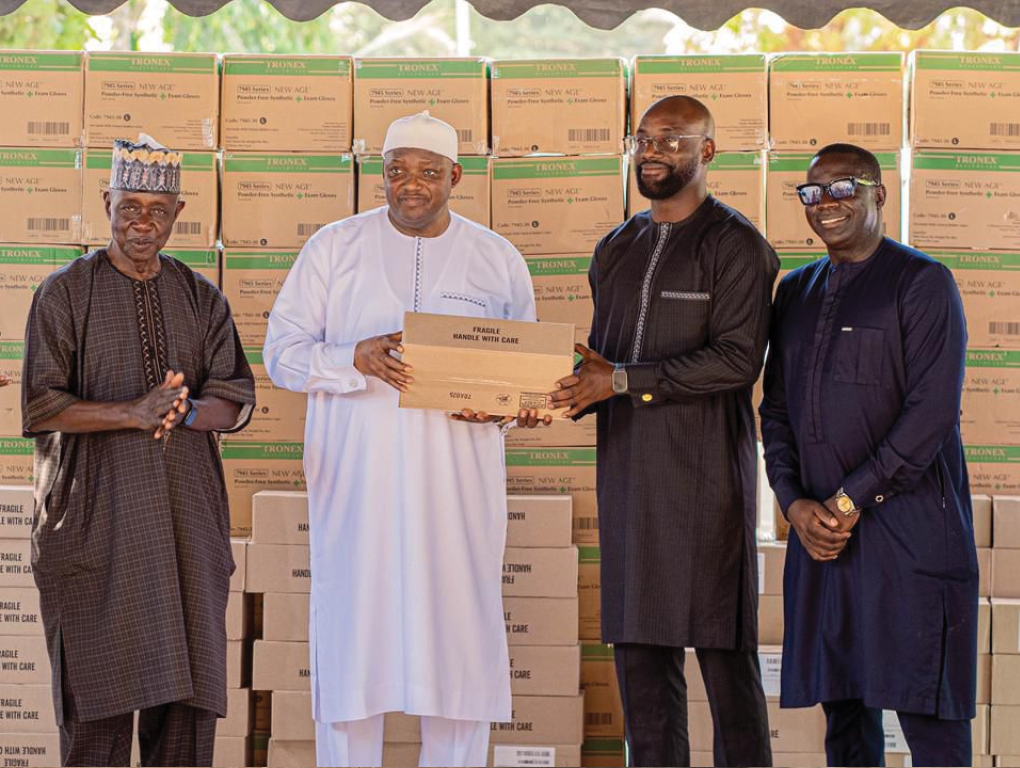
- Funding Body: The European Union (via Enabel).
- Technical Partner: The Gambia’s Ministry of Agriculture.
- Executing Firm: The Cornerstone Group (Construction and Site Management).
Critical Success Factors & Lessons Learned
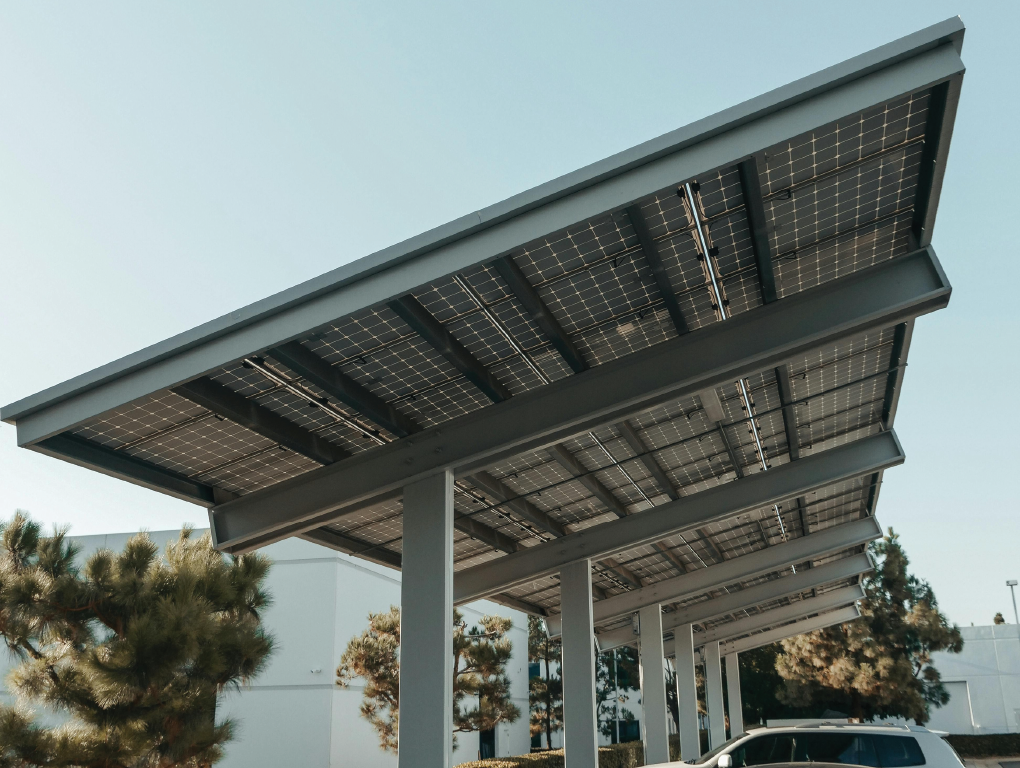
- Solar Hybridization: Integrating renewable energy is critical for the long-term viability of cold storage in the LRR to avoid the high cost of diesel generators.
- Gender Inclusion: Designing the facility with separate sanitation and workspace layouts to ensure a safe environment for the majority-female workforce.
- Logistics Timing: Construction schedules were aligned with the harvest « off-season » to ensure that site activity did not disrupt existing local market operations.
Key Stakeholders & Verifiable Sources
- Funding Body: The European Union (via Enabel).
- Technical Partner: The Gambia’s Ministry of Agriculture.
- Executing Firm: The Cornerstone Group (Construction and Site Management).