Seattle Tunnel (SR-99 Alaskan Way Viaduct Replacement)
The Seattle SR-99 Tunnel Project is a global benchmark in civil engineering, involving the replacement of a seismically vulnerable elevated viaduct with a massive, double-deck underground corridor.
Delivering One of the World’s Most Complex Urban Tunnel Infrastructure Projects
Client name
Washington State Department of Transportation (WSDOT)
Project Value
USD $2.8 Billion
Location
Seattle, Washington, USA.
Sector
Transportation Infrastructure / Heavy Civil Engineering
Project Overview & Strategic Intent
The primary objective was to decommission the Alaskan Way Viaduct, an aging structure prone to failure in a major earthquake. The project introduced a 2-mile, double-deck tunnelthat carries State Route 99 beneath the heart of downtown Seattle.
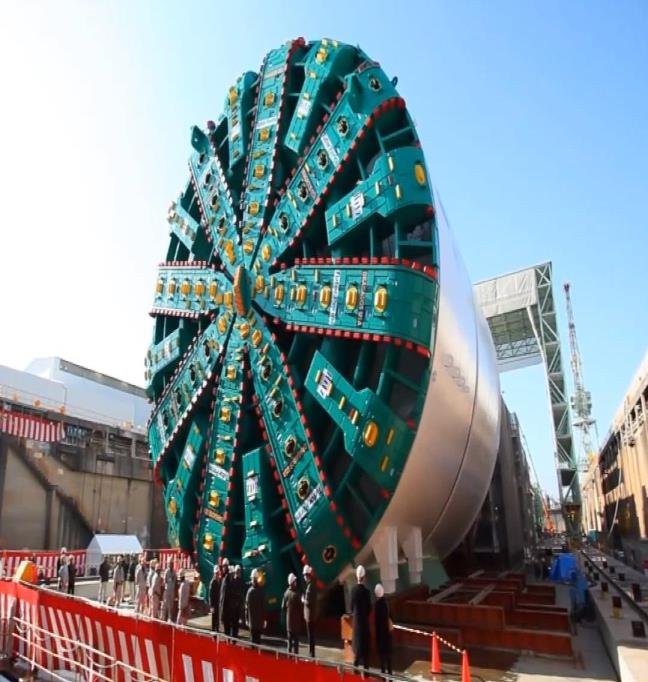
- Bertha TBM: At the time of launch, the project utilized « Bertha, » the world’s largest Earth Pressure Balance (EPB) Tunnel Boring Machine, featuring a record-breaking 57.5-foot diameter.
- Urban Preservation: The tunnel was bored beneath a dense corridor of more than 200 historic buildings and high-rise structures, necessitating unprecedented precision to avoid surface settlement or structural damage.
Detailed Scope of Works
The engineering scope required managing extreme geological and urban pressures:
- Bored Tunnel Construction: Excavation of the 2-mile alignment using the massive TBM, followed by the simultaneous installation of a precast concrete segmental lining to stabilize the earth and manage groundwater.
- Geotechnical & Settlement Monitoring: Implementation of a real-time instrumentation network that monitored hundreds of buildings and utilities 24/7. This system allowed the engineering team to adjust TBM face pressure in real-time to counteract ground movement.
- Double-Deck Internal Structure: Unlike traditional tunnels, the interior was designed as a two-level highway, with two lanes of traffic on each deck, requiring complex structural integration and fire-life safety systems on both levels.
- Portal & Interchange Works: Construction of the North and South portals, including sophisticated ventilation buildings and the highway tie-ins necessary to reintegrate the tunnel into the existing city grid.
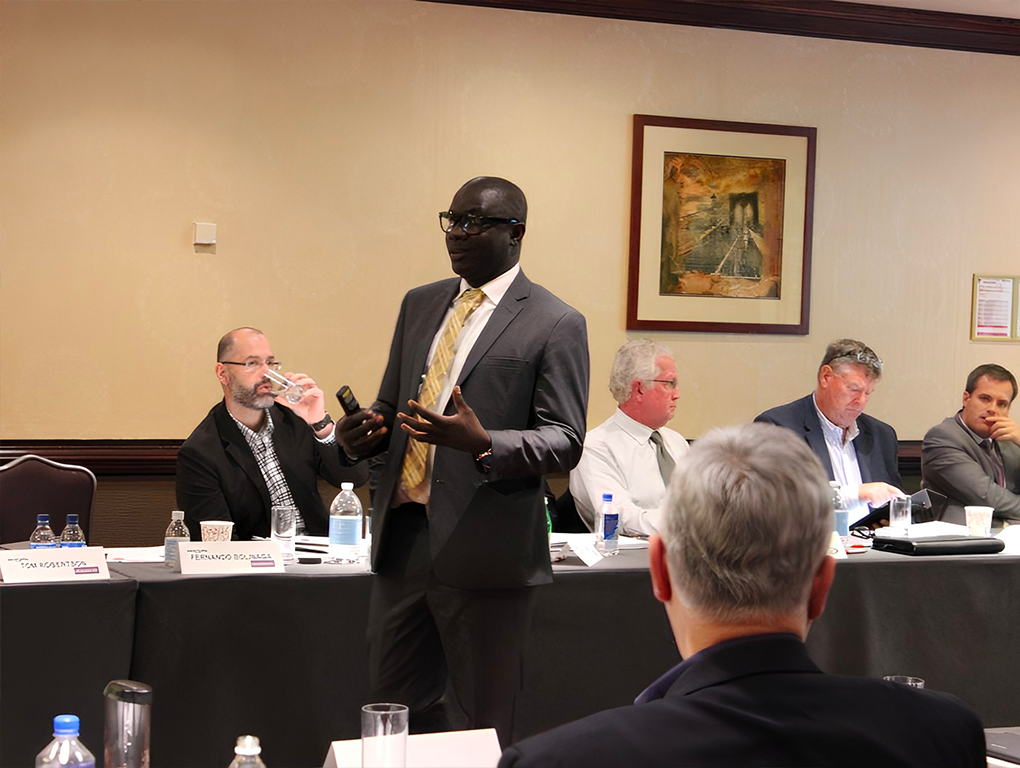
Role & Leadership: Alagie Sanyang
Mr. Sanyang served as a Construction Executive on this multi-billion dollar project. Within the executive team (specifically at Dragados, a lead partner in the Seattle Tunnel Partners joint venture), his contributions included:
- Executive Safety Governance: Leading the corporate strategic vision for Environment, Health, and Safety (EH&S) across major North American projects.
- Risk Mitigation Oversight: Managing the high-stakes operational risks associated with massive-scale tunneling and the protection of adjacent high-value urban assets.
- Compliance & Certification: Ensuring the project met rigorous international standards, including ISO 45001 for Health and Safety, which he spearheaded during his executive tenure.
Environmental, Social & Urban Impact
Seismic Resilience: The tunnel is designed to withstand a 9.0-magnitude earthquake, providing a safe and reliable transit corridor that the elevated viaduct could not guarantee.
Waterfront Revitalization: By moving the highway underground, the city was able to reclaim the waterfront, leading to massive urban redevelopment, public parks, and improved aesthetic value for Seattle.
Economic Vitality: Maintains a critical north-south freight and commuter corridor that supports the regional economy of the Pacific Northwest.
Key Stakeholders
WSDOT: Project owner and lead public agency.
Seattle Tunnel Partners (STP): The joint venture (led by Dragados and Tutor Perini) responsible for design and construction.
The Cornerstone Group Leadership: Executive-level project governance and safety systems oversight.
Critical Success Factors
Technological Innovation: Successfully operating a record-sized TBM through variable soil conditions in a high-seismic zone.
Precision Geotechnics: Preventing catastrophic damage to historic Seattle landmarks through real-time feedback loops.
Governance Maturity: Utilizing executive leadership to manage the immense public, regulatory, and technical scrutiny inherent in a $2.8B mega-project.